I study how the earliest pastoral societies emerged across the diverse landscapes of Central Asia—what people ate, how they moved, and what traces they left behind in the archaeological record from the Copper Age through the Iron Age.
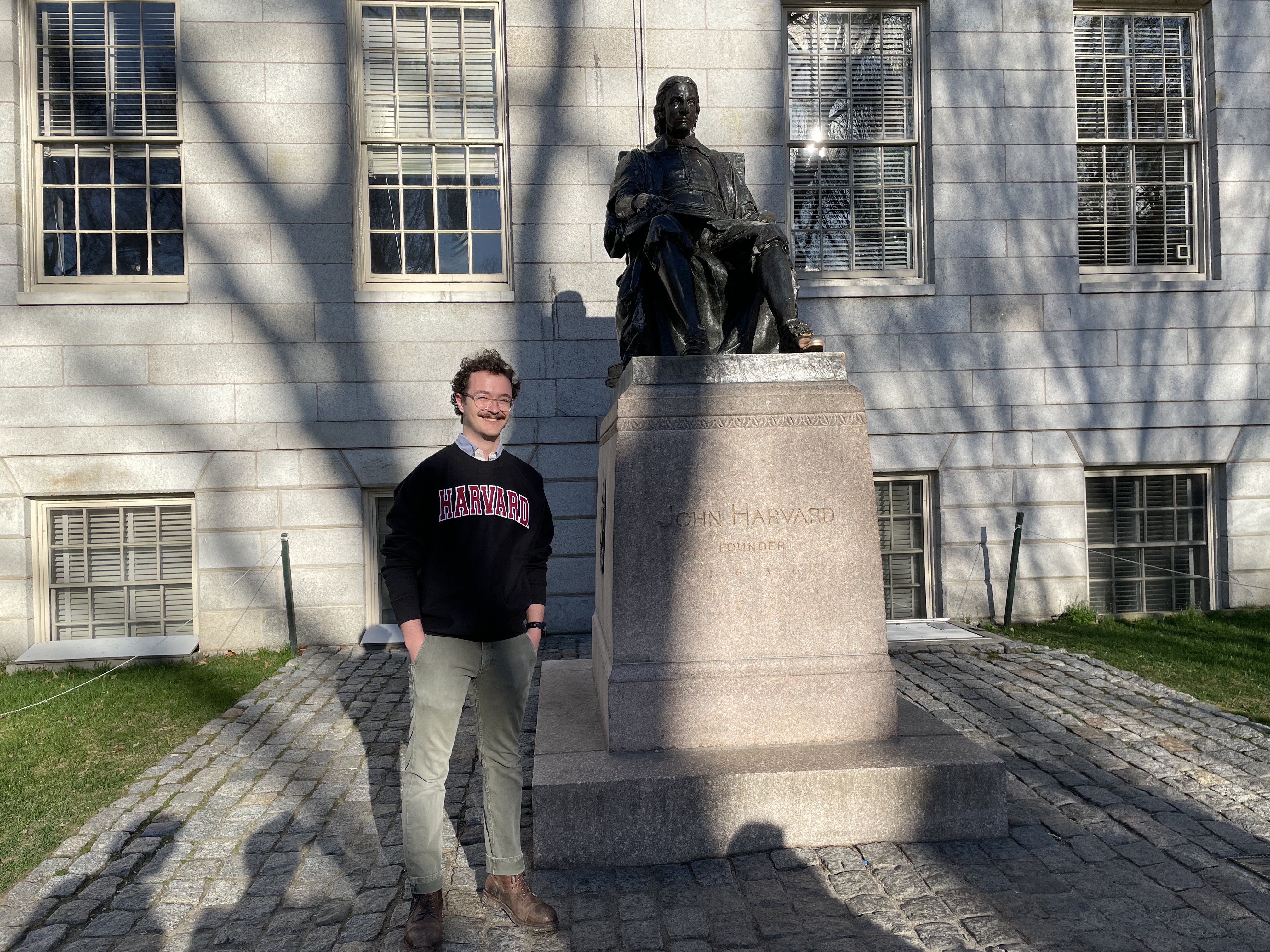
I'm a PhD student in the Department of Anthropology at Harvard, where I study the archaeology of Central and Inner Asia. My work centers on the Eneolithic (Copper Age) and its transition into the Bronze Age—when the earliest pastoral societies began reshaping the land of what is now Kazakhstan, forging new relationships between humans, animals, and the landscapes they moved through.
I use biomolecular methods like stable isotope analysis and proteomics to figure out what ancient people and their animals were eating, where they were moving, and how their lives changed over time. I'm also interested in applying spatial methods like GIS and remote sensing to find new sites and understand how people used their landscapes. All of this is rooted in, and in conversation with, on-the-ground fieldwork.
After college, I thru-hiked the Appalachian Trail—probably the single experience that most shaped how I think about movement, landscape, and what it actually feels like to live a life organized around getting from one place to another. A lot of my research interests trace back to that in one way or another.
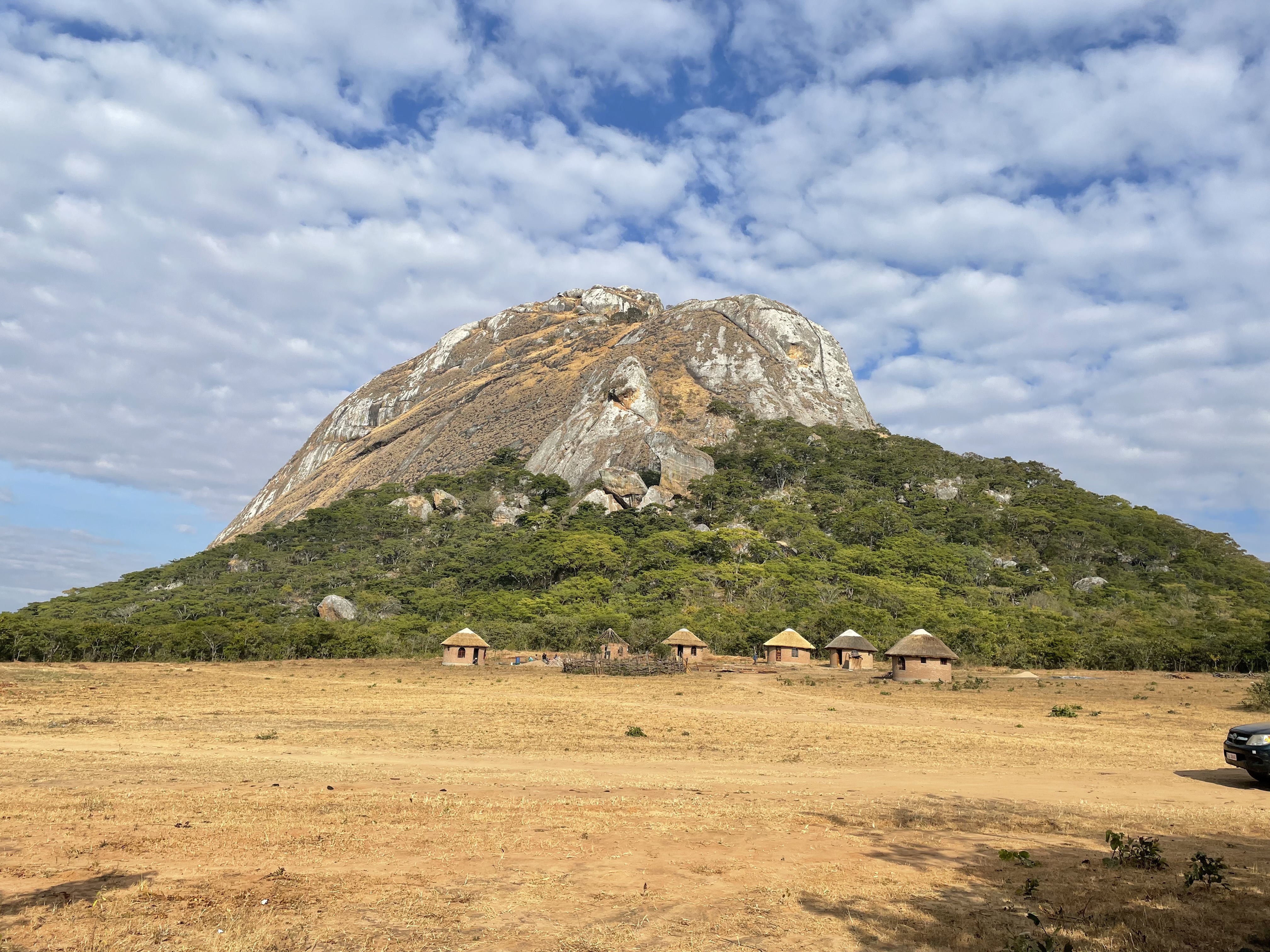
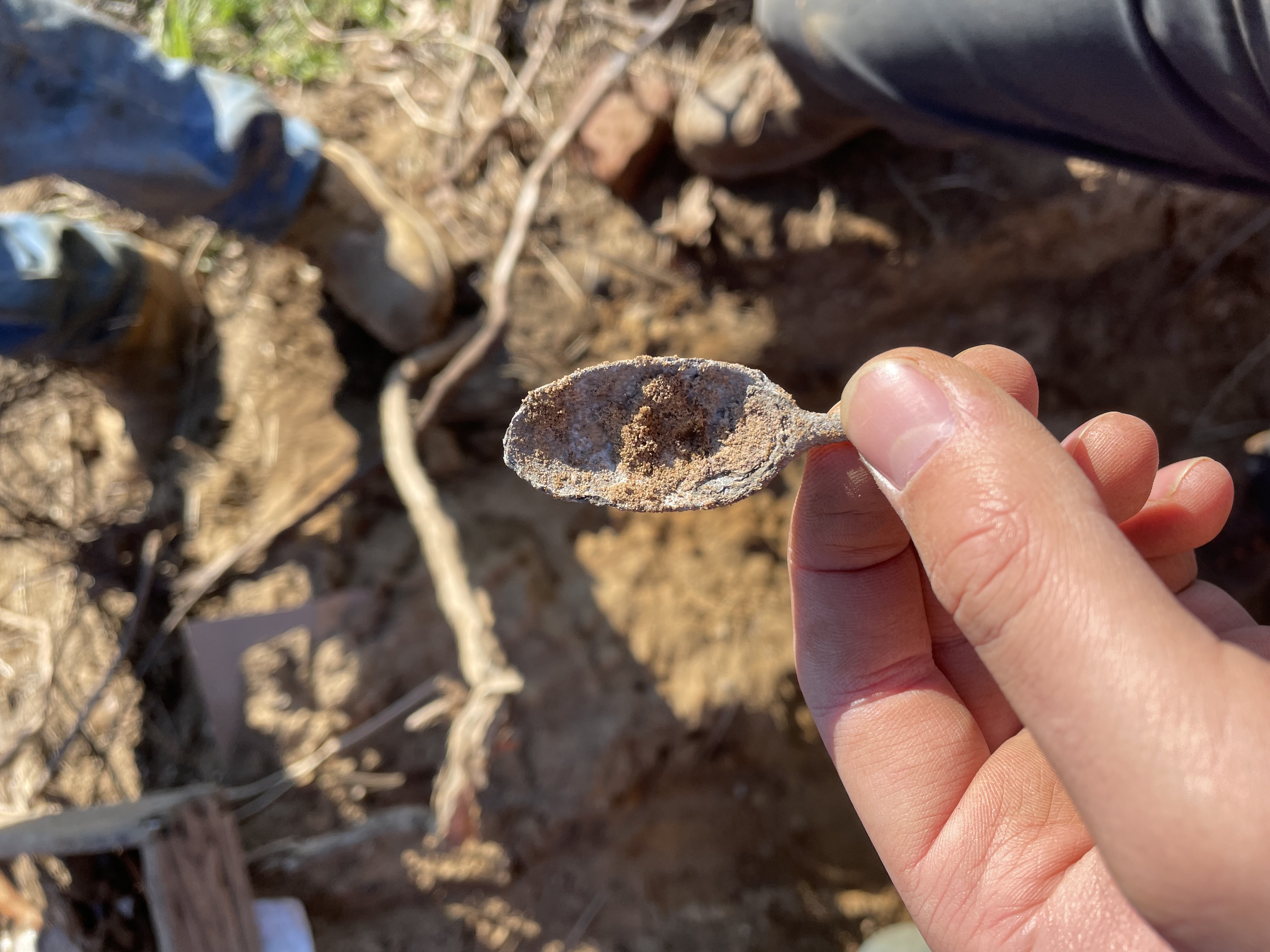
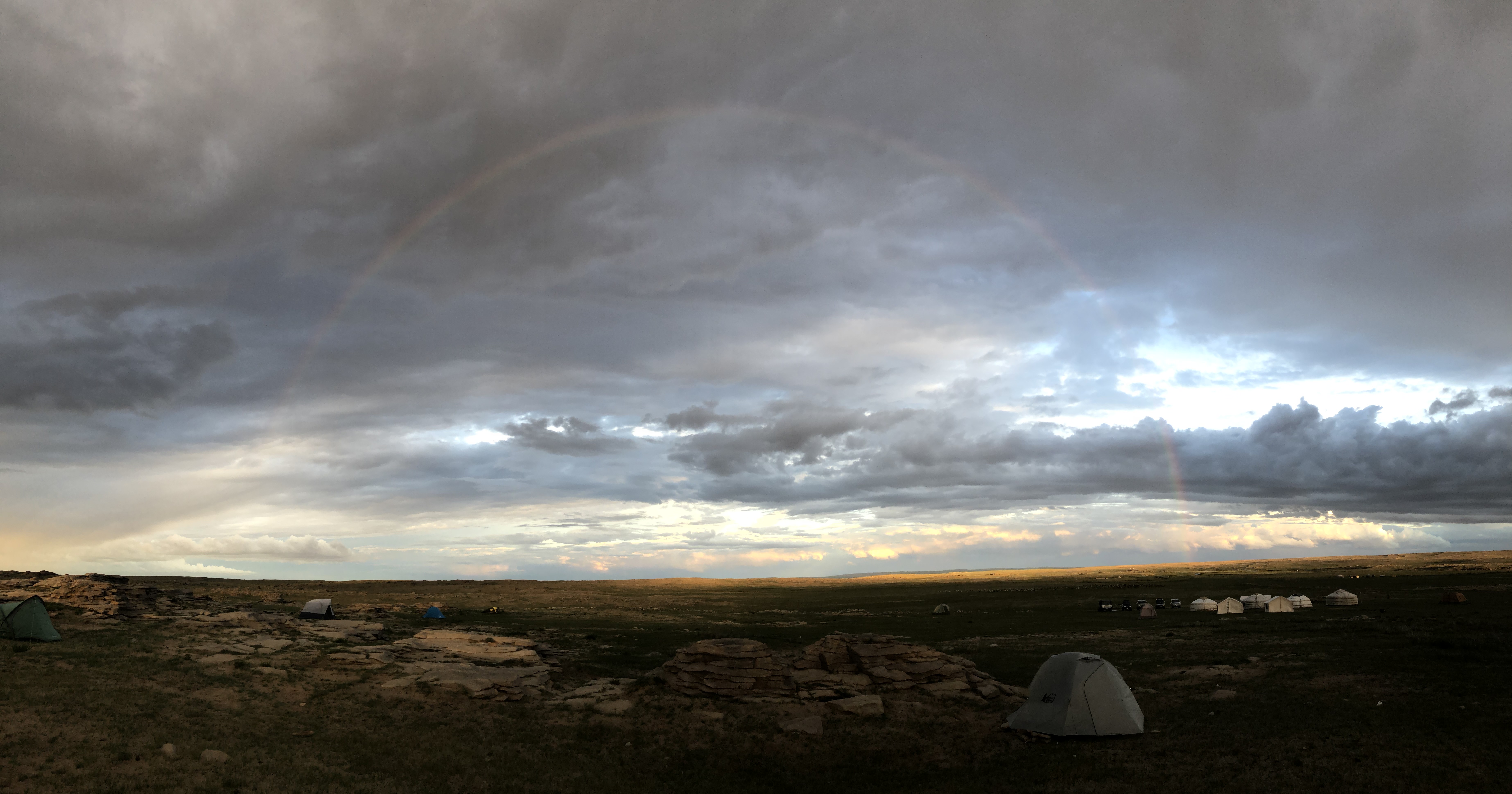
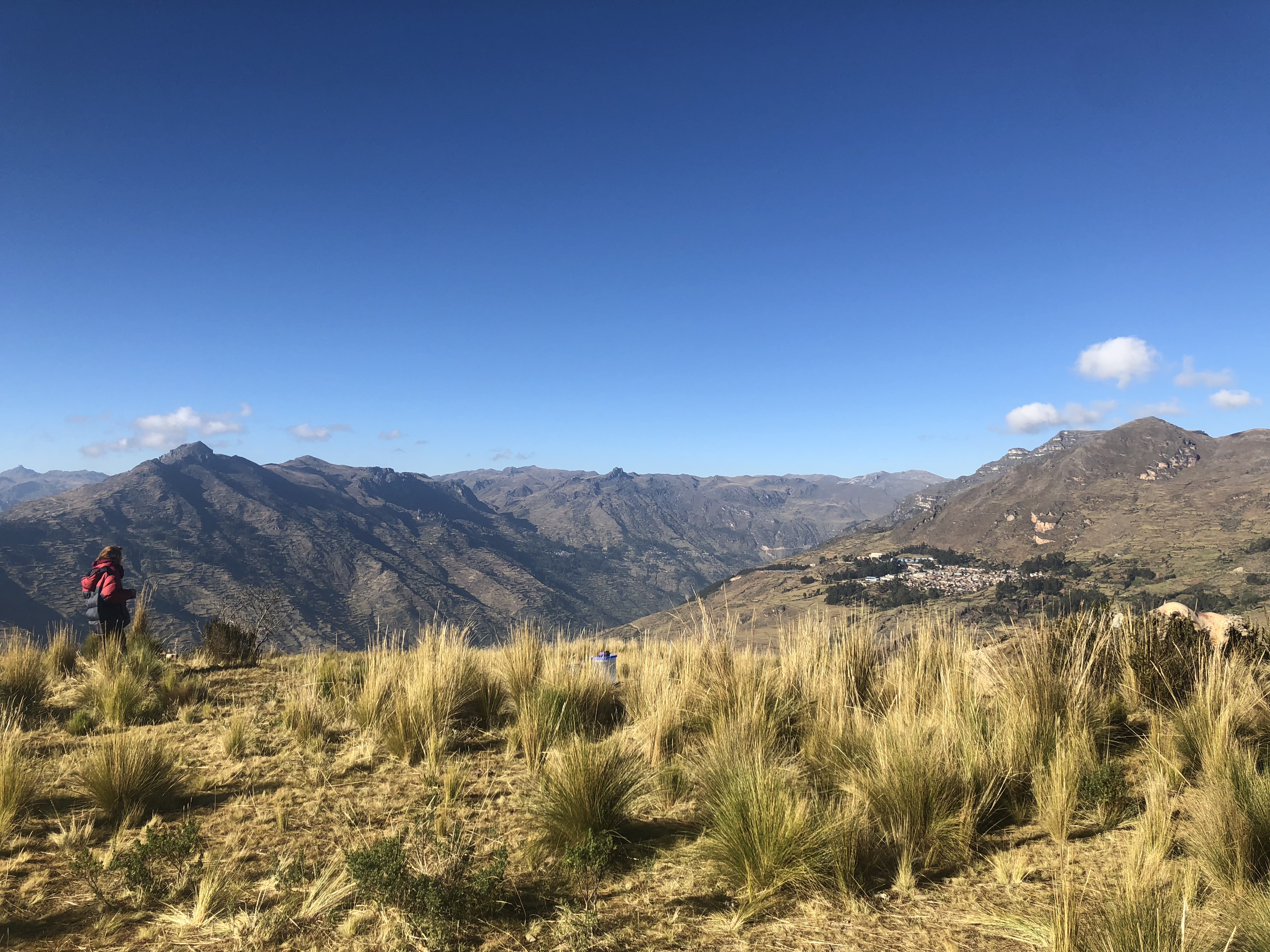
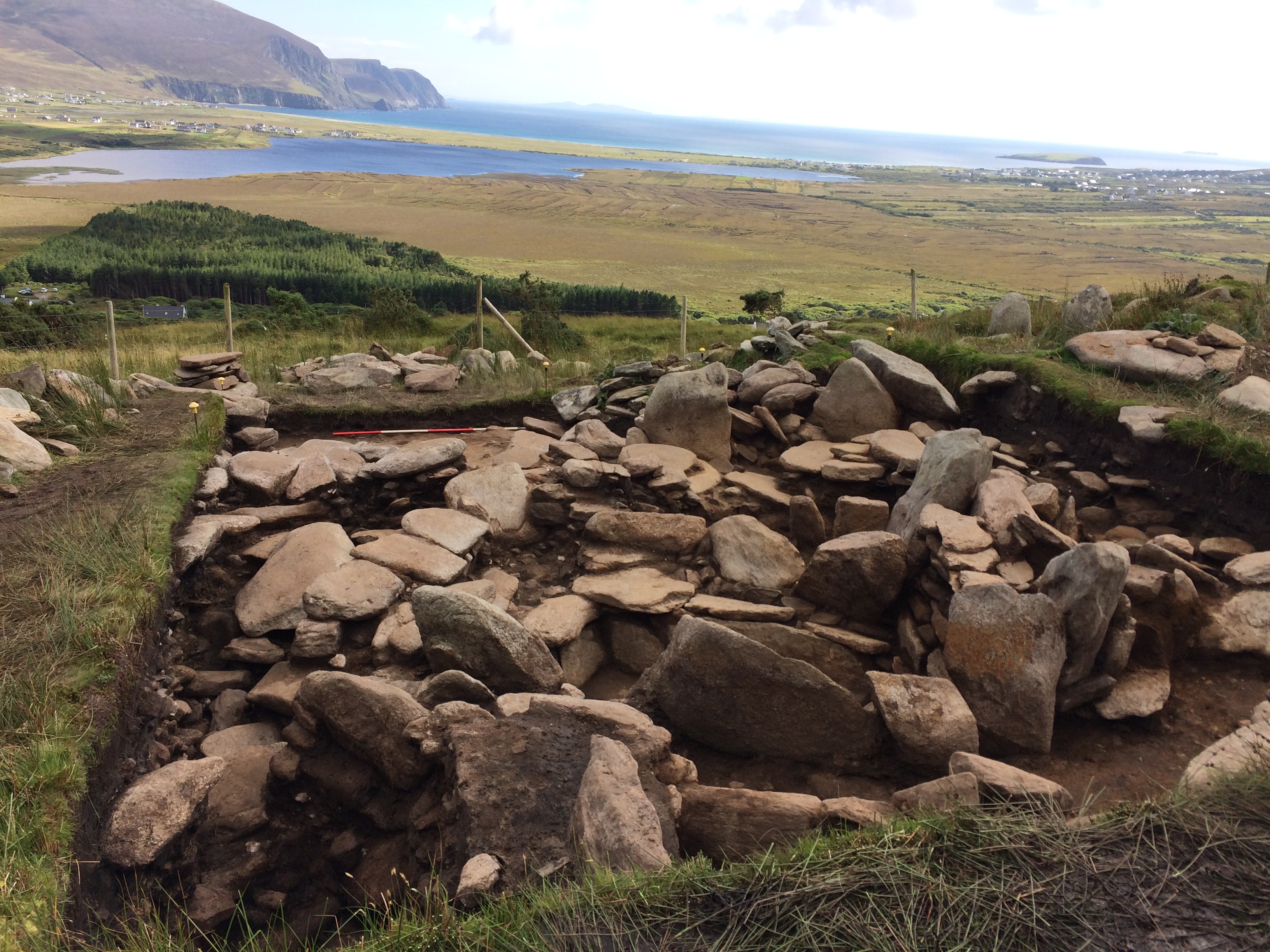
I completed my MPhil in Archaeological Science at Cambridge, where my dissertation used stable isotope analysis to reconstruct Bronze and Iron Age subsistence economies in the Tarbagatai Mountains. Before that, I studied Archaeological Studies and Anthropology at Yale. I've done fieldwork in Kazakhstan, Mongolia, Malawi, Peru, Ireland, Spain, and the U.S.—twelve years, seven countries, five continents.
Outside of archaeology, I'm an avid outdoorsman, homebrewer, reader, gamer, and occasional musician—I sang in an a cappella group at Yale for all four years, and you can find the album I'm on here. My research is supported by the National Science Foundation Graduate Research Fellowship.
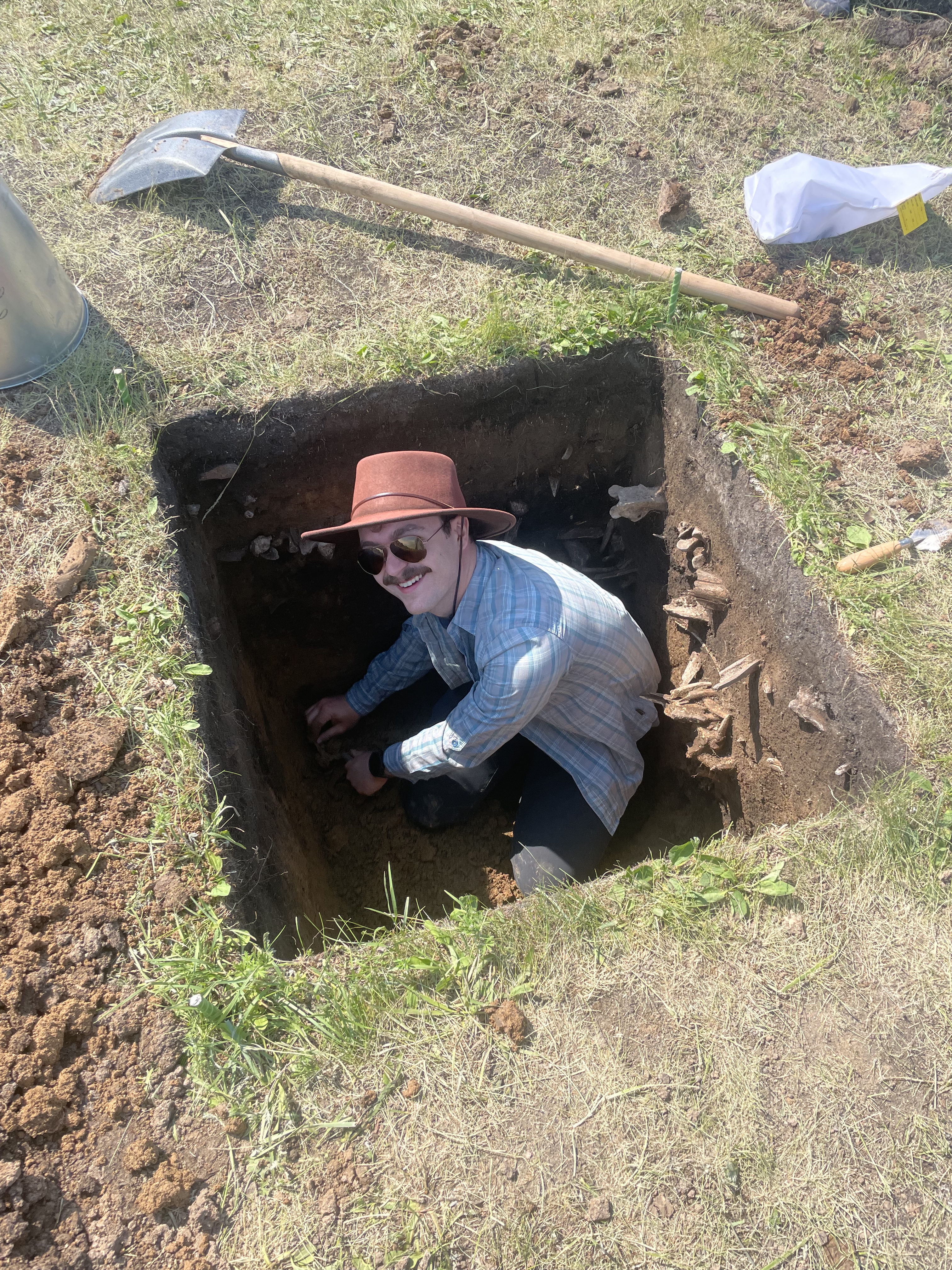
Excavating a test unit at Troitskoye-5, Kazakhstan.
How did pastoral lifeways first emerge in the vast grasslands of Central and Inner Asia? How were social, political, and economic relationships between different groups transformed by the arrival of pastoralism and pastoralist populations? And how can we recover traces of those transformations from the archaeological record thousands of years later?
I focus on the Eneolithic and its transition into the Early Bronze Age (roughly 3500–2500 BCE), with particular attention to the Afanasievo culture and its role in spreading pastoralism across the eastern steppe. My current fieldwork is in Eastern Kazakhstan, in close partnership with colleagues at Al-Farabi Kazakh National University.
Analysis of carbon, nitrogen, and other stable isotopes from human and animal bone and teeth. Dental calculus proteomics for direct evidence of consumed foods like horse milk and fish. ZooMS for species identification.
Interested in applying GIS, remote sensing, and predictive modeling to locate undocumented Eneolithic habitation sites. Currently learning these methods and exploring their potential for steppe archaeology.
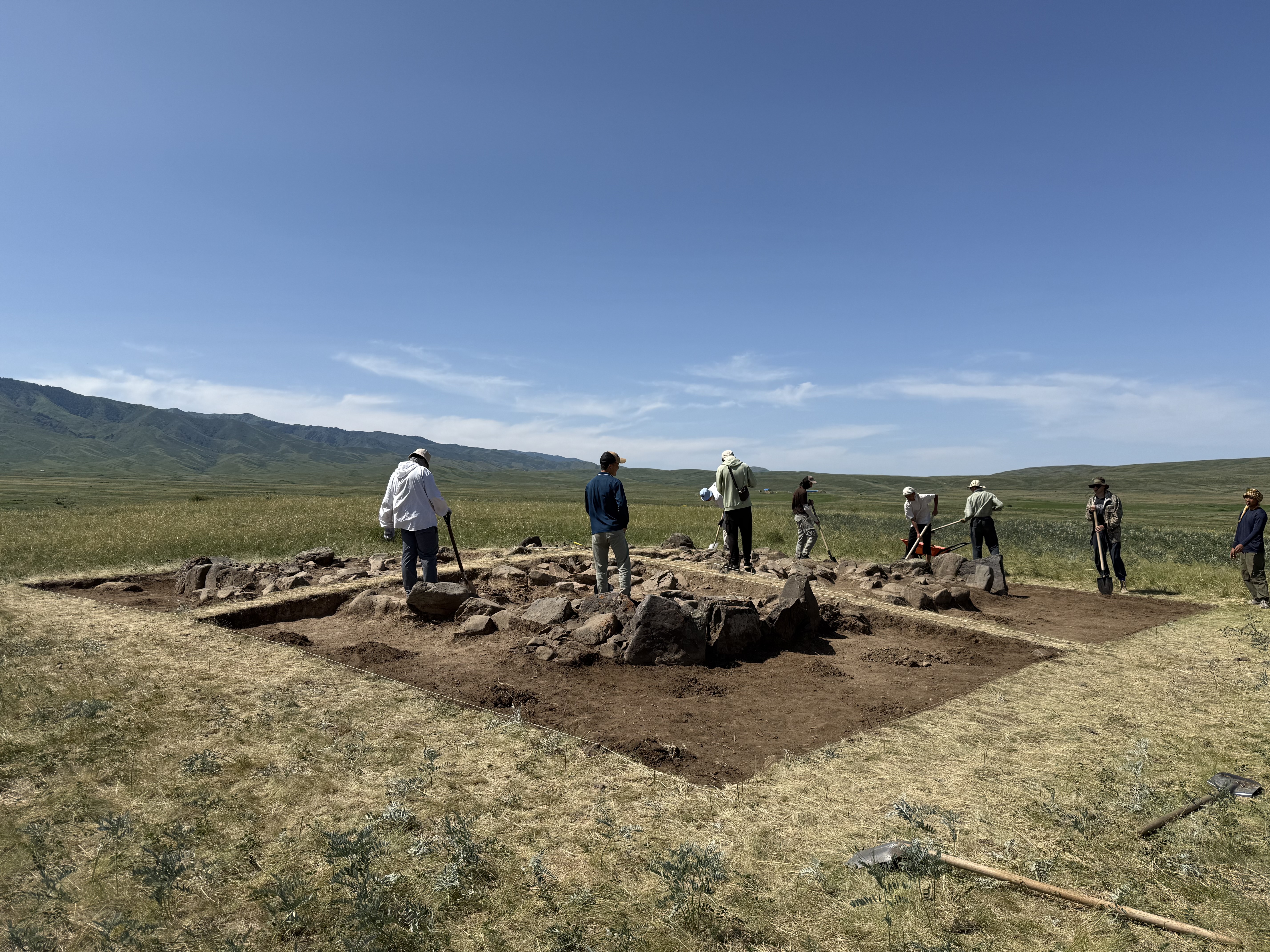
Field experience across seven countries. Have worked on projects including excavations at Ainabulaq and Janibekbulaq (Al-Farabi KazNU) and at Troitskoye-5 and Krasnyi Yar (Kazakh-American Botai Culture Project).
Grounded in practice theory and epistemological pragmatism—approaches that take seriously how people actually inhabited and moved through their worlds, not just what they left behind. Committed to collaborative research that shares resources, credit, and direction across institutions and borders.
Native: English
Intermediate: Russian, Spanish, Hebrew
Basic: Kazakh, Latin
10+ years of archaeology across seven countries and five continents.
All photographs by the author.